
Calculate trading position size is a fundamental skill for anyone participating in financial markets. Without a structured approach to risk management, traders expose their capital to unnecessary volatility and potential losses. This tutorial provides a practical, step-by-step framework to help you determine exact trade sizes and set proper stop losses. By mastering these core concepts, you can protect your trading capital and maintain consistency over the long term. Let us explore the essential prerequisites and actionable steps required to calculate trading position size accurately.
Prerequisites for Risk Management
Before diving into calculations, you must understand your account balance and risk tolerance. Professional traders typically risk only a small percentage of their total capital on a single trade, often between one and two percent. This conservative approach ensures that a series of consecutive losses will not wipe out your account. Additionally, you need a reliable trading platform and access to real-time market data to execute your strategy effectively. Knowing your exact account equity is the absolute foundation for every calculation that follows.

How to Calculate Trading Position Size
To calculate trading position size, you must first define your risk amount in currency terms. Multiply your total account balance by your chosen risk percentage. Next, determine your entry price and your planned stop loss price. The difference between these two numbers represents your risk per share or contract. Finally, divide your total dollar risk by the risk per share. This simple formula gives you the exact number of units you should trade to stay within your risk parameters.
Setting Proper Stop Losses
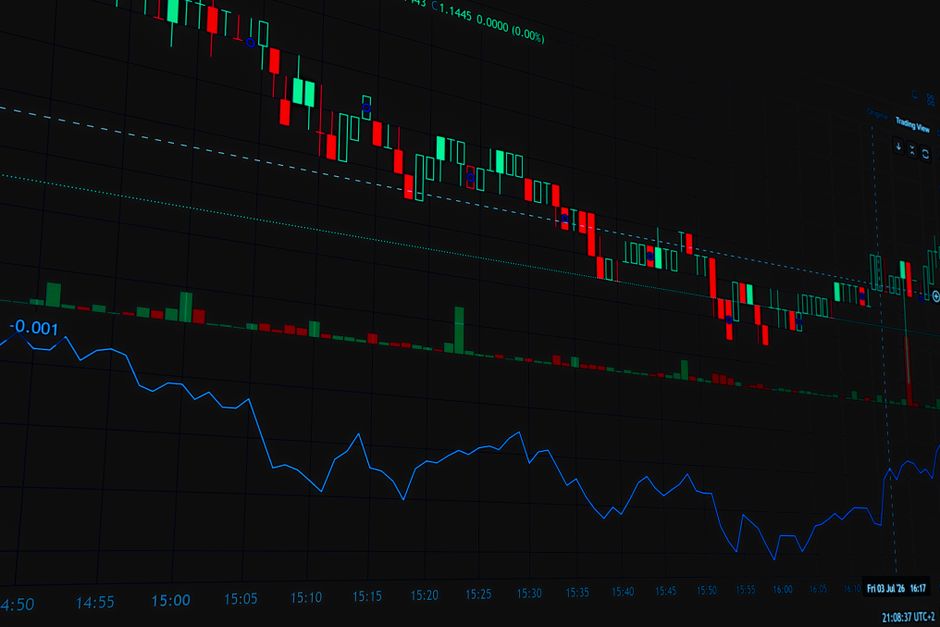
A stop loss order is your primary defense against unexpected market movements. You should never place a stop loss based solely on a random dollar amount. Instead, base your stop loss on technical levels such as support, resistance, or Average True Range indicators. If the market breaks these critical technical levels, your trading thesis is proven wrong, and exiting the trade becomes necessary. Proper stop placement directly influences how you calculate trading position size by defining the risk denominator in your mathematical equation.
Common Mistakes to Avoid
Many beginners fail because they neglect basic risk calculations or move their stop losses when a trade goes against them. Moving a stop loss further away instantly invalidates your risk management plan and exposes you to catastrophic drawdowns. Another common error is failing to account for market volatility or slippage during high-impact economic news releases. Always stick to your calculated units, accept small losses as part of the business, and maintain strict discipline across all your market activities.